

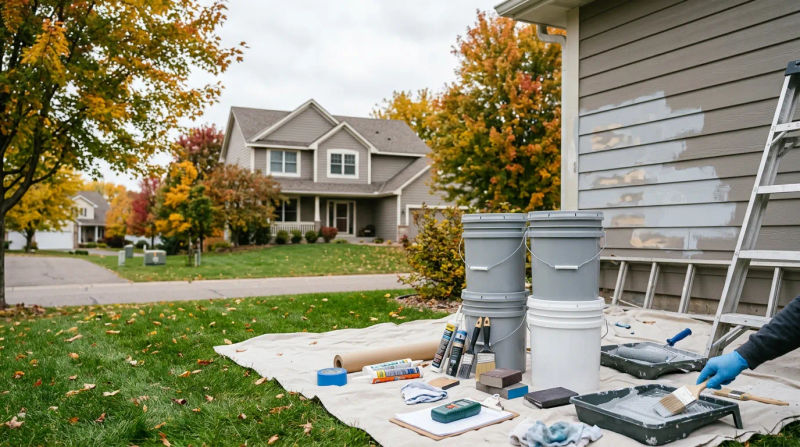
As a property maintenance lead here in the Champlin area, I’ve learned one thing is certain: when homeowners start thinking about a big project, the first question is always, “What’s this going to cost me?” It’s the most practical and important question you can ask. When it comes to exterior painting, the answer isn’t a simple number. My goal with this guide is to pull back the curtain on pricing and give you a transparent, honest look at what goes into the cost of painting your home, especially as we head into the fall season.
I’ve spent the last 12 years helping homeowners protect their biggest investment, and a quality paint job is one of the most effective ways to do that. So let’s break down the numbers, what drives them, and how you can make a smart investment for your home.
Average Costs in Champlin
Let's get right to it. Providing a flat rate is impossible, but I can give you realistic ballpark figures for what my team and I typically see for professional painting in the Champlin area. Remember, these are averages - your home's specific needs will determine the final price.
- Smaller single-story home (approx. 1,500 sq ft): You can generally expect to budget between $4,000 and $7,500. This range often covers homes with straightforward layouts and siding in decent condition.
- Average two-story home (approx. 2,500 sq ft): The cost typically falls between $7,000 and $10,500. The jump in price accounts for the extra labor, equipment (like lifts or taller ladders), and safety precautions needed for a second story.
- Larger or more complex homes (3,000+ sq ft): For these properties, costs can start at $10,000 and go up significantly, depending on architectural details, multiple siding materials, and extensive prep work.
A detailed fall exterior paint estimate in Champlin will break this down further, but these ranges are a solid starting point for your budget. The key is to understand why your home might be at the lower or higher end of these estimates.
Factors That Affect Price
The final quote you receive is a combination of labor, materials, and complexity. No two houses are the same, which is why the Champlin MN exterior painters pricing can vary so much from one street to the next. Here are the biggest factors I see on the job every day:
- Preparation Work: This is, without a doubt, the #1 factor influencing cost. A paint job is only as good as the surface underneath it. A home with peeling, cracking, or bubbling paint requires hours of scraping, sanding, and caulking before a single drop of new paint is applied. We also look for soft spots in wood siding that indicate rot, which must be repaired or replaced. The more prep, the higher the labor cost.
- House Size and Height: This one is straightforward. A larger home requires more paint and more time. A two or three-story home also requires more setup, specialized equipment like lifts, and additional safety measures, all of which add to the labor hours.
- Siding Material and Condition: The type of siding on your home matters. Wood siding, for example, often requires the most intensive prep (sanding, priming, addressing knots). Vinyl or aluminum siding can be painted but requires a specific cleaning and bonding process. Fiber cement is durable but still needs proper cleaning and caulking.
- Accessibility: Can my team easily access all sides of your house? Dense landscaping, fences close to the house, steep slopes, or neighboring properties can make setting up ladders and equipment more time-consuming, which impacts the overall cost.
- Architectural Details: A simple, rectangular house is quicker to paint than one with multiple gables, dormers, intricate trim, shutters, and several paint colors. Each time a painter has to switch colors and “cut in” a clean line, it adds significant time to the project.
- The Fall Rush: Timing plays a huge role. The cost to paint siding before winter can sometimes reflect the condensed timeline. In Champlin, our window for ideal exterior painting weather closes fast. We need daytime temperatures to be consistently above 50°F (and ideally, nighttime temps above 35-40°F) for the paint to cure correctly. This urgency can impact scheduling and pricing as everyone rushes to get their projects done before the first hard freeze.
How to Get the Best Value
Getting the best value doesn’t mean finding the cheapest price. A low bid often means corners are being cut, usually in the crucial prep phase. A cheap paint job that fails after two winters will cost you far more in the long run. Here’s how to be a smart consumer:
- Focus on the Prep: When comparing quotes, look closely at the scope of work. Does the contractor detail the prep process? A quality painter will specify power washing, scraping, sanding, caulking, and priming.
- Invest in Quality Paint: The cost of premium paint is only a small fraction of the total project cost, but its impact is huge. A higher-quality paint will provide better coverage, superior durability against Minnesota’s harsh weather, and better color retention, extending the life of your paint job by years.
- Don't Wait Until It's an Emergency: If you notice peeling paint or failing caulk, get it addressed sooner rather than later. The longer you wait, the more potential damage from moisture intrusion, and the more extensive (and expensive) the prep work will be.
- Get an Itemized Quote: Ask for a breakdown of costs for labor, materials, and any specific repairs. This transparency helps you understand exactly what you’re paying for and compare different offers fairly.
Questions to Ask Your Contractor
To ensure you’re hiring a true professional, you need to ask the right questions. This protects you and ensures you get a result that lasts.
- Are you fully licensed and insured? (Ask for proof of liability and worker’s compensation insurance.)
- What is your specific preparation process for a house like mine?
- What brand and line of paint do you recommend, and why?
- How will you protect my gardens, windows, deck, and roof?
- How many coats of paint are included in the quote? (The answer should almost always be two for a color change.)
- What is your plan for handling bad weather days? (This is critical for a fall project!)
- Can you provide a list of recent references I can contact?
Getting clear answers to these questions will tell you a lot about a contractor’s professionalism and commitment to quality.
Ultimately, the exterior painting cost is an investment in your home's protection and curb appeal. Understanding the factors involved helps you create a realistic budget and choose a contractor who will deliver lasting value. The fall season in Minnesota is beautiful but brief, and giving your home a fresh coat of armor is one of the best things you can do before winter arrives.
For a personalized and detailed fall exterior paint estimate in Champlin, my team and I are here to help. For a free consultation, contact Brownbalys Properties LLC.