
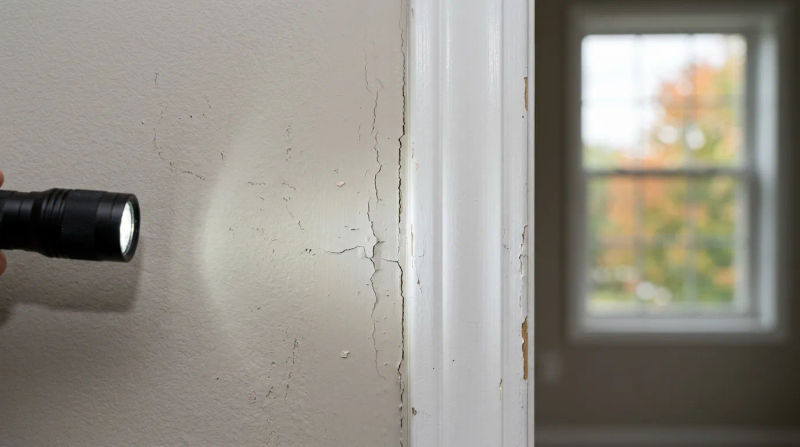
As a property maintenance lead, I’ve seen it all, but one of the most common calls I get each autumn goes something like this: “The paint on my walls and trim was fine all summer, but now that it’s getting cold, I’m seeing little cracks everywhere!” If this sounds familiar, you’re not alone. Here in the Elk River area, the shift from warm, humid summer air to the crisp, dry air of fall can expose underlying issues with your interior paint. Those hairline fractures around windows or the more noticeable splits along door frames aren't just appearing out of nowhere; they’re responding to the changing environment.
Understanding what causes these cracks is the first step toward a lasting solution. It’s often more than just a cosmetic issue; it can be a sign of how your home is aging and reacting to Minnesota’s distinct seasons. Let's look at what these cracks are telling you and what you can do about them.
Common Signs and Symptoms
When we talk about interior paint cracking, it’s not a one-size-fits-all problem. The type of crack you see can tell you a lot about the potential cause. During our initial inspections, our technicians are trained to identify these different patterns.
- Hairline or “Alligator” Cracking: This looks like a web of fine, interconnected cracks, resembling the scales on an alligator's back. It’s usually a surface-level issue, indicating the paint film itself has failed. You might see this on walls or ceilings.
- Linear Cracking: These are longer, more defined cracks that often appear along seams. You’ll frequently find them where drywall panels meet, or where trim and walls connect. These cracks can be thin or wide enough to see the underlying material.
- Elk River trim paint cracking signs: In many local homes, especially around windows and exterior doors, you'll see vertical or horizontal cracks specifically on the trim. This is a classic sign that the wood is expanding and contracting at a different rate than the paint covering it, a common issue when outdoor temperatures drop significantly at night.
- Cracks on Doors: Pay close attention to panel doors. Cracks often form where the stiles (vertical pieces) and rails (horizontal pieces) meet the floating center panels. This is a key area to watch if you're trying to figure out how to stop paint cracking on doors.
These signs can appear anywhere, but they are most common in areas with significant temperature and structural stress, like around window frames, above doorways, and along baseboards where the wall meets the floor.
What Causes This Problem
Paint cracks are symptoms, and fixing them effectively means diagnosing the root cause. Simply painting over a crack is a temporary fix at best. In my 12 years of experience, the issue almost always comes down to one or more of these seven factors.
- Drastic Temperature and Humidity Swings: This is the primary reason homeowners notice more cracks in the fall. As we turn on our furnaces, the indoor air becomes much drier. Wood trim, drywall, and plaster contract in the dry air. If the paint on top has lost its flexibility, it can’t shrink with the substrate and simply cracks under the tension. This directly answers the question of why interior paint cracks in cold weather.
- Inadequate Surface Preparation: A successful paint job is 80% preparation. If a surface wasn’t properly cleaned, sanded, and primed before painting, the new coat won't adhere correctly. Dust, grease, or glossy old paint prevent a strong bond, making the new paint layer weak and prone to cracking as it ages.
- Paint Applied Too Thickly: It’s tempting to lay on a thick coat to get the job done faster, but this is a common mistake. When paint is applied too heavily, the top layer dries quickly, trapping uncured, wet paint underneath. As the bottom layer eventually dries, it shrinks and pulls on the brittle top layer, causing alligator cracking.
- Using Low-Quality Paint: Not all paints are created equal. Bargain paints often contain fewer high-quality binders - the ingredients that provide adhesion and flexibility. A quality paint with more acrylic resins can better withstand the minor expansion and contraction of your home's surfaces.
- Old, Brittle Paint: Paint has a lifespan. Over time, the oils and resins that make it flexible break down due to exposure to UV light and temperature changes. The paint becomes hard and brittle. Once it loses its elasticity, it can no longer stretch and move with the house, so it cracks.
- Natural Structural Settling: Many homes in the Elk River area, particularly the Split-level and Bi-level designs from the 1960s and 1970s, have had decades to settle. This is a normal process, but it creates stress at structural joints. These multi-level homes have unique stress points where different sections of the house meet, leading to recurring cracks along ceiling lines and in stairwells that aren't related to the paint quality itself.
- Underlying Moisture Issues: While fall air is dry, past or present moisture can be a culprit. A slow leak from a window frame or high humidity in a bathroom can cause the substrate (drywall or wood) to swell and then shrink, breaking the paint film on the surface. If you see cracking accompanied by bubbling, peeling, or discoloration, moisture is the likely cause.
When to Call a Professional
Deciding whether to tackle a repair yourself or call for help depends on the scope and nature of the problem.
A potential DIY project might be:
- A few isolated, very fine hairline cracks on a single wall.
- A small crack on a piece of trim that isn't at a joint.
For these minor issues, you can try scraping away the loose paint, filling the crack with spackle, sanding it smooth, priming the spot, and then applying a matching topcoat. Be aware that achieving a seamless finish can be challenging.
It’s time to call a qualified professional when you see:
- Widespread Cracking: If you have alligator cracking across an entire wall or multiple rooms, it points to a systemic failure that requires a full surface restoration, not just a patch.
- Recurring Cracks: If you’ve repaired a crack before and it came back, there's an underlying issue (like structural movement or temperature swings) that a simple patch can't solve. An experienced team can diagnose the cause and use more robust materials like elastomeric caulks and primers to provide a flexible, long-term solution.
- Cracks Along Seams or Joints: Cracks where walls meet ceilings or at drywall seams suggest movement that needs to be addressed with flexible compounds and proper taping techniques to prevent them from reappearing.
- Any Signs of Moisture: If cracks are paired with bubbling, peeling, or water stains, it's critical to have a professional assess the situation to find and fix the source of the moisture before any painting is done.
Experienced professionals have standardized workflows to properly diagnose the root cause, perform the necessary preparation, and select the right products to ensure the repair lasts.
Conclusion
Seeing new cracks in your interior paint this fall can be disheartening, but it’s an important signal from your home. These issues are often caused by the significant temperature and humidity shifts we experience in Elk River, combined with factors like paint age, surface preparation, and the natural settling of your home. While a tiny crack might seem like a simple cosmetic flaw, it can point to a deeper issue that will only worsen over time.
Addressing the root cause is always more effective than simply covering up the symptom. By understanding what to look for and when to seek expert advice, you can protect your home's integrity and keep your interiors looking their best for years to come.
If you notice any of these signs, contact a local Painting professional for an inspection.